
1. 10‑Minute Effling Practice Block (daily core)
- For toddlers and preschoolers, parents create a daily routine: 10 minutes on Effling Kids App before or after notebook/worksheet time.
- Toddlers: simple object/colour/shape activities and pre‑writing. Preschoolers: Math AI tasks, letter recognition, basic Hindi/English practice.
- Parent control: set a timer, stay in the room, and stop after 10 minutes so screen time stays healthy and predictable.
2. Scribbles to Writing Corner
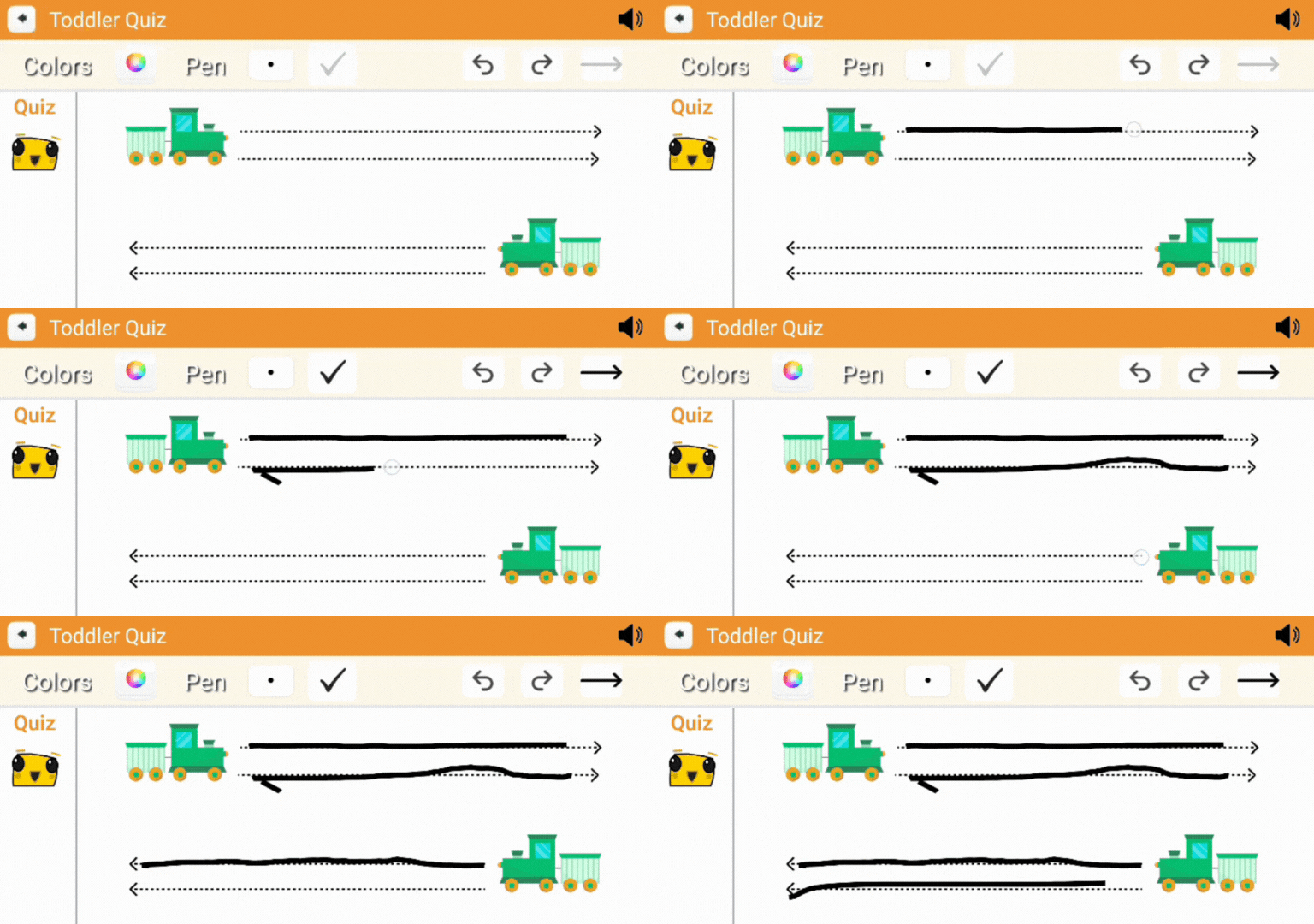
- Use Effling handwriting/letter activities + your printable handwriting worksheets to run a daily “writing corner” at home.
- Toddlers: big strokes and patterns; older preschoolers: letters, numbers, and their name.
- Parent tracks growth by keeping dated samples in a folder; Effling can be shown as the daily warm‑up before paper writing.
3. Math AI Story Time
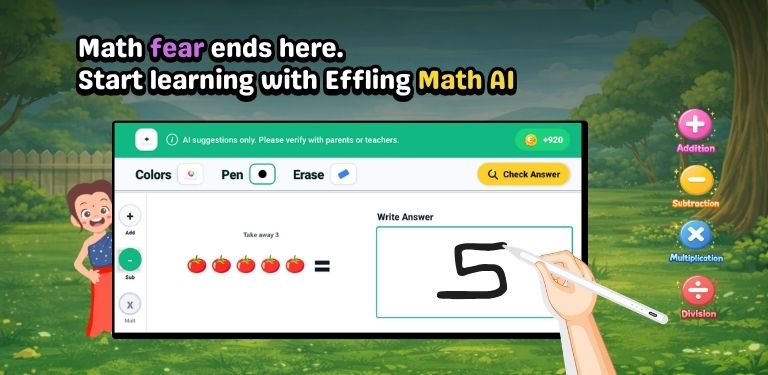
- Parents tell a quick story (“We have 3 apples, then 2 more…”) and then open Math AI to do 3–5 related questions.
- This connects real life to practice and makes math feel like a game, not a test—matching your Math AI vision of “fun, not fear”.
- Parent control: choose easy levels first and move up only when the child looks confident.
4. Hindi–English Word Hunt
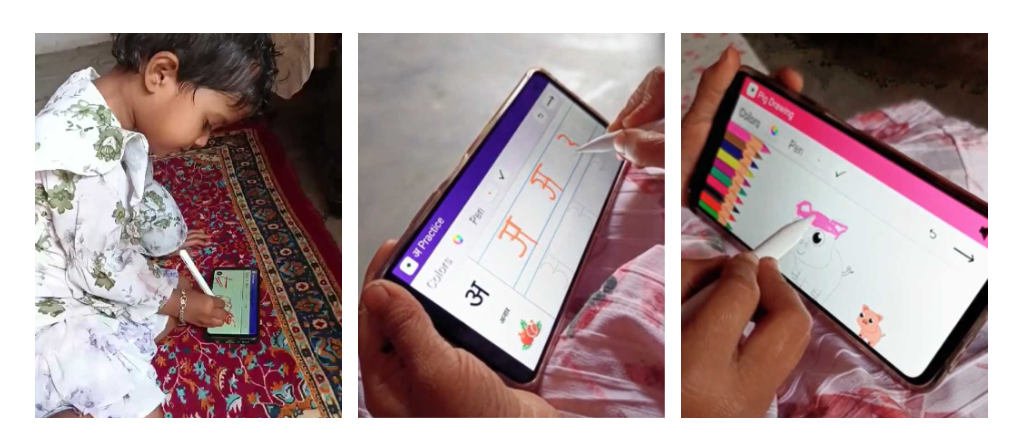
- Step 1: Use Effling or your Hindi/English worksheets to introduce 3–5 new words or letters.
- Step 2: Do a “word hunt” around the house—find objects that start with those sounds or match the words.
- Step 3: Let the child draw or trace those words in a notebook or worksheet.
This mixes app, movement, and writing, which works very well for home learning.
5. Worksheet + Effling Sandwich
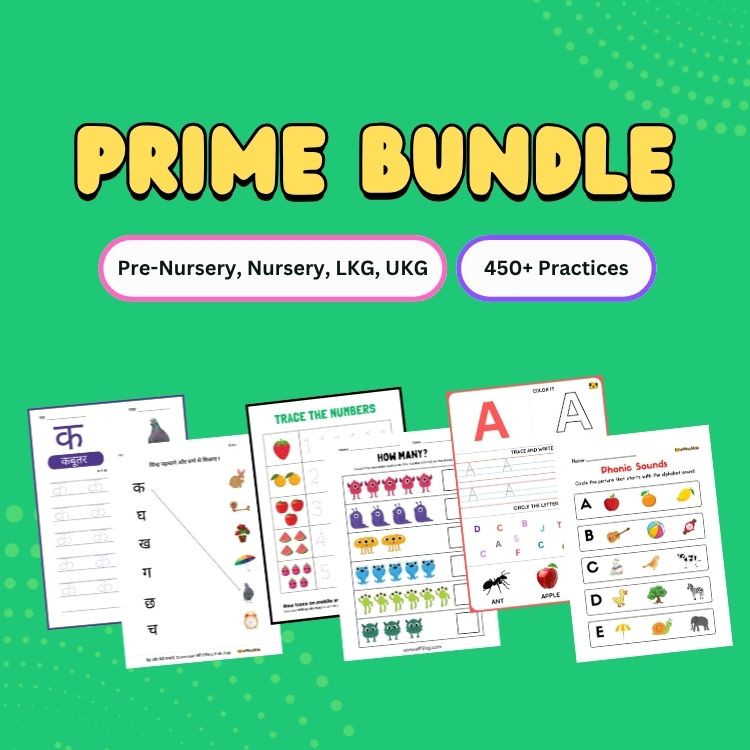
- Parents follow a simple structure:
- 1 printable worksheet page (Hindi/Math/English),
- 5 minutes of matched Effling practice,
- 1 more worksheet page or colouring.
- This shows Effling as the “smart layer” around your core worksheet library—perfect messaging for homeschooling parents.
6. My First Portfolio (growth tracking)
- Parents keep a monthly “portfolio” file: best worksheets, a few screenshots/photos of Effling’s progress, and one short video of the child reading/counting.
- You can encourage this by giving a simple printable “Effling Portfolio Cover Page” that they can staple on top.
- Over time, this becomes a natural way for parents to see growth and for you to talk about “tracking progress, not just marks”.
7. Visual Timetable + Effling Slot (time management)
- Parents create a paper visual timetable with pictures: breakfast, play, Effling, worksheets, outdoor time, etc., and stick it near the study area.
- Effling gets one clearly marked 10–15 minute slot each day; when the clock or timer matches the picture, it’s “Effling time”.
- This teaches basic time management and keeps device usage predictable—parents stay in control, not the child.
8. Weekend Homeschool Project with Effling Notes
- Every weekend, pick a simple theme (“My Family”, “Fruits”, “Shapes”).
- Use Effling practice and your themed worksheets for basic skills (counting fruits, writing names, colouring shapes), then let the child make 1–2 pages of a “project book” in a notebook.
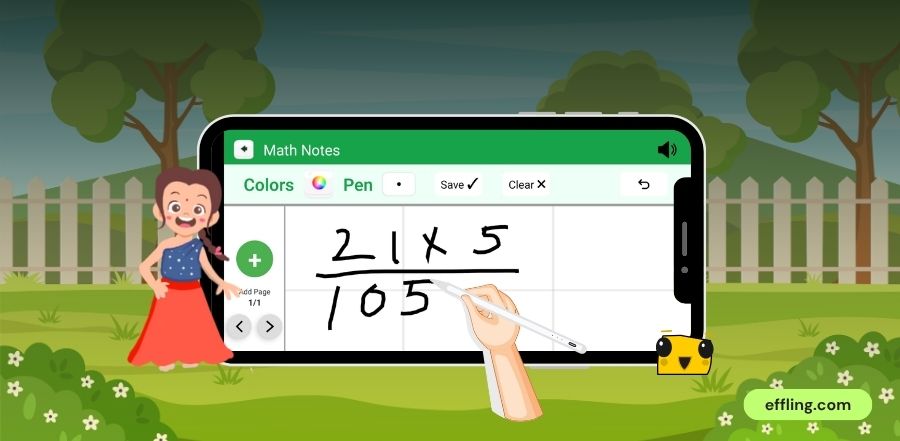
- Parents can use Effling (or even a simple notes area) to store ideas and track which themes they’ve done.
9. Quiet Box + Effling Reward
- For toddlers, parents prepare a “quiet box” with puzzles, crayons, and printables; the child works 15–20 minutes from that box.
- After finishing 1–2 offline tasks, they earn a short Effling session (5–10 minutes).
- This sets the rule: Effling is a reward for good effort, not just random screen time.
10. Parent Check‑In + Weekly Report Ritual
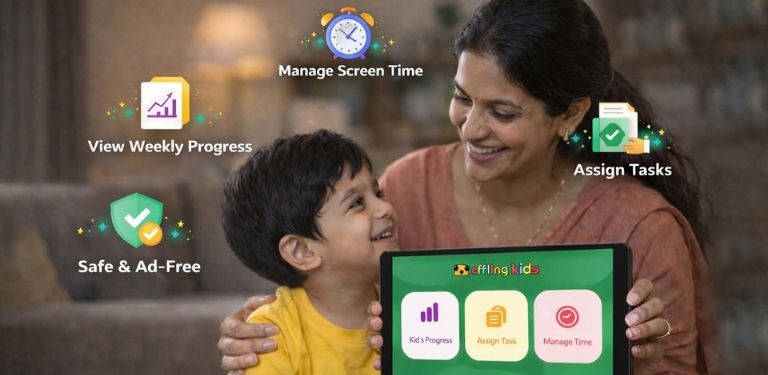
- Parents pick one day per week to sit with the child and quickly review what they did on Effling and worksheets.
- Even with a simple in‑app summary or manual note (“This week: 20 math questions, 5 letters, 3 completed worksheets”), parents see progress and can decide what to focus on next.
- You can turn this into a feature or just a suggested ritual in your blog and onboarding emails.
11. Effling Certificates & Badges (future/optional feature)
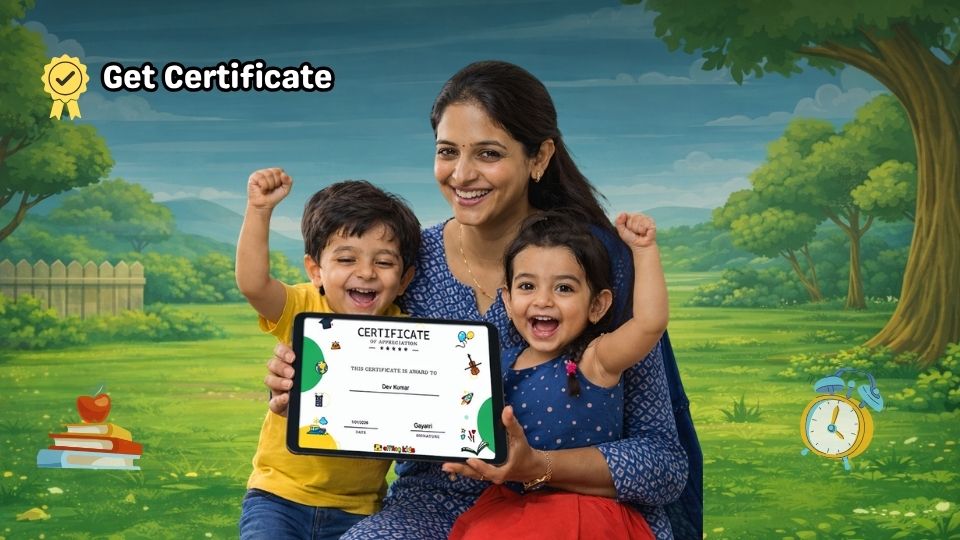
- Based on skills or milestones (e.g., “7 days of practice”, “Completed 50 Math AI questions”), Effling could offer printable certificates parents can download and sign.
- Parents hang certificates on the wall or keep them in the child’s portfolio; this is very motivating for homeschool and after‑school families.
FAQ
1. Is Effling Kids suitable as a main homeschooling tool for ages 3–7?
Yes. For 3–7-year-olds, homeschooling should focus on play, hands‑on activities, early language, number sense, and lots of reading aloud—not heavy textbooks. Effling fits as the practice engine inside that: it gives short, guided practice in Hindi, English, Math and writing, plus printable worksheets, while parents handle stories, play, outdoor time and real‑life activities.
2. How much screen time should my child spend on Effling each day?
For preschool and early primary, experts recommend short, purposeful sessions rather than long, passive screen time. A good rule for Effling is:
- 5–10 minutes for toddlers (with a parent sitting nearby)
- 10–15 minutes for 4–7 year olds, ideally combined with offline worksheets or play
You can treat Effling as one fixed “practice block” in your daily routine, and keep the rest of learning offline through books, conversation, and play.
3. How does Math AI help my child if I’m not confident in teaching maths?
Math AI in Effling gives automatic, step‑by‑step questions at the right level for your child and checks answers in real time, so you don’t have to design or correct everything yourself. You stay in control by:
- Choosing the starting level (very simple for beginners)
- Sitting with your child for the first few sessions
- Watching which types of questions they find hard, then reinforcing with concrete objects or worksheets
This way, Math AI acts like a gentle home tutor, while you stay the main decision‑maker.
4. How can I track my child’s growth and manage our homeschooling time with Effling?
You can use Effling in a simple “plan + reflect” loop:
- Fix a small daily slot (e.g., 6:30–6:45 pm) as “Effling time” and mark it on a visual timetable on the wall.
- Each week, review what your child did: number of practice days, topics covered (letters, numbers, Hindi, etc.), and a few finished worksheets.
- Keep a portfolio file where you add dated worksheets and occasional screenshots/photos of Effling progress—this helps you see growth month by month, similar to how many homeschool apps and platforms suggest tracking progress.
5. Will my child get any certificate or recognition for their Effling work?
Certificates are not required for learning at this age, but they can be very motivating, and many homeschooling tools now include simple badges and certificates for milestones. Effling can support this by:
- Offering printable certificates when a child completes a class, such as a toddler or preschool class.