
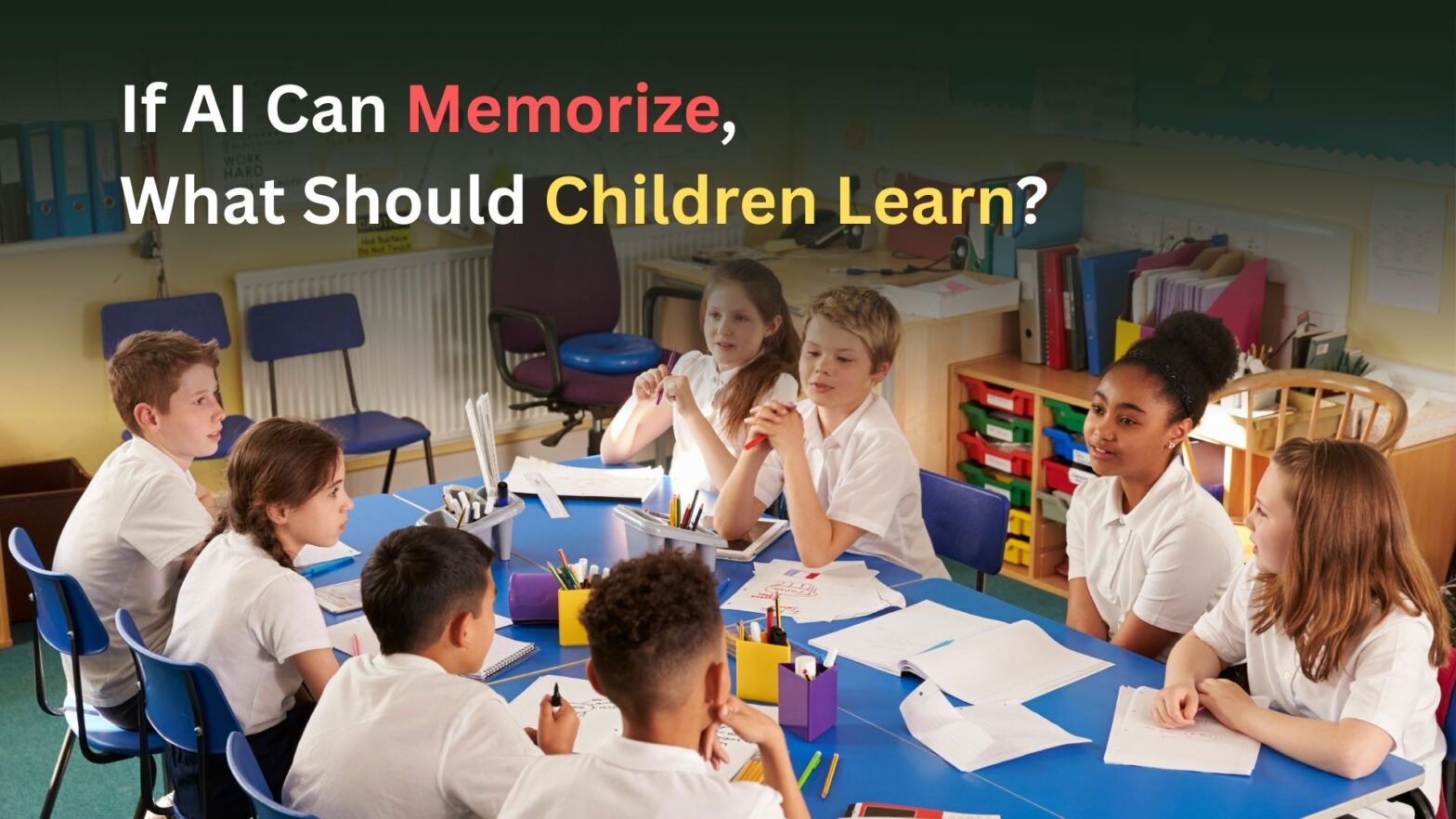
Education is shifting from chasing exam scores to building real-world abilities. Increasingly, employers and experts emphasize durable skills (communication, problem-solving, teamwork, creativity, etc.) over straight grades. Research shows that modern jobs reward practical skills – sometimes more than degrees – and that traditional grades alone don’t guarantee success. For example, a recent study found 75% of companies are struggling to find skilled workers and are “easing or eliminating the university degree filter” in hiring, focusing instead on experience and abilities. In fact, in fast-growing fields like AI and green tech, skills now carry a 23% wage premium, outpacing the value of degrees. Employers increasingly screen applicants by demonstrated competencies rather than GPA: in 2019, 73% of firms screened by GPA, but by 2025, only 42% do so. In sum, data from the U.S., UK, and worldwide show a clear trend: skills, not just marks, open doors and drive careers.
At the same time, education thought leaders stress that “academic knowledge and durable skills are deeply intertwined.” As Carnegie Foundation experts note, developing writing skills is both an academic exercise and a lesson in communication, and collaborative STEM projects build content knowledge and problem-solving ability. Learning that is truly effective integrates content with real-world practice. Worldwide, many schools and states are embracing new models (e.g. “Portrait of a Graduate” frameworks, competency-based transcripts, or holistic report cards) that balance subject learning with skills like critical thinking and teamwork. In short, modern evidence suggests we must move past the “marks vs. skills” debate and cultivate both – but with renewed focus on applying knowledge. As one expert puts it, preparing students today means designing experiences where they “grapple with complexity, navigate ambiguity, and process failure as a learning opportunity”, exactly the skills employers will demand.
Trends from the Workplace: Why Skills Trump Grades
- Employers drop degree filters. Surveys show companies are widening their talent pool by hiring for skills and potential. At Davos 2023, 75% of firms reported talent shortages, prompting many tech and finance companies to remove the college-degree requirement and hire based on hands-on abilities and leadership qualities. Big tech (Google, Apple, Microsoft, etc.) has led this shift. A World Economic Forum analysis found only 11% of business leaders strongly believe college graduates possess the right skills for their jobs – underscoring why companies look beyond diplomas for key skills.
- Skills earn more than degrees. In emerging industries, new research finds a measurable wage advantage for having the right skills. For example, UK data on AI and green jobs shows AI skills carry a 23% higher wage premium than the lack of those skills, whereas degrees offer no wage premium beyond a bachelor’s. The same study urges expanding apprenticeships, vocational training, online courses, and micro-credentials so people can learn needed skills outside the traditional degree system. This aligns with reports that companies like IBM and General Motors found employees hired for specific skills performed just as well on the job as those with advanced degrees.
- Most employers use skills-based hiring. A recent NACE survey found 70% of employers now use skills-based hiring practices (up from 65% a year earlier). During screening and interviews, most companies look for evidence of competencies (problem-solving, teamwork, etc.) rather than relying on GPAs. Even among firms still noting degrees, over two-thirds say demonstrable skills are crucial in hiring decisions. In short, hiring data confirm: proficiency in practical skills has become a top filter in today’s job market, often replacing grades or formal credentials.
Evidence on Student Outcomes
- Employability depends on skills, not just schooling. Globally, large surveys find that many graduates lack workplace skills. For instance, India’s Economic Survey (2023-24) reports that only 51.25% of college graduates are employable, up from 34% a decade earlier, but still low. The survey warns that “the mismatch between education and skills that the market needs” leaves half of graduates without jobs. This gap reflects an overemphasis on rote learning and exams, rather than vocational or technical training. Similarly, U.S. employers say only 11% of grads are fully prepared with required competencies. These data points highlight that strong marks alone don’t guarantee job readiness – real-world skills and training do.
- Future skill demand is shifting. International projections (OECD Skills Outlook 2023) find that by 203,0 the fastest-growing workplace skills will be interacting with computers, creative thinking, data analysis, and communication with people outside the organization. In a world of climate change and digital tech, societies need people with broad skills (e.g. sustainability literacy, media literacy, socio-emotional skills) to adapt and lead. The OECD emphasizes that schools must foster not only academic knowledge but also attitudes and resiliency to navigate change. In short, outcome data tell us: the economy increasingly values adaptability and high-level thinking skills, which require experiential learning in school – not just memorizing facts for tests.
- Project-based learning engages students. Studies of classroom innovation show that real-world projects dramatically boost learning and skill development. For example, schools report that project-based learning (PBL) “boosts student engagement and understanding,” and gets kids to make interdisciplinary connections. PBL shifts focus away from memorizing for exams (the “three R’s”) toward solving problems, using technology, and applying concepts. In these settings, students acquire transferable 21st-century skills – analysis, collaboration, creativity – because they learn by doing. In fact, educators note that PBL instills “broadly applicable skills that transcend individual outcomes”. (Ironically, fewer than 5% of schools use PBL extensively, but those that do see measurably higher student motivation and skill-building.)
Actionable Recommendations
Based on the evidence, here’s what teachers, parents, and EdTech leaders can do to shift focus from marks to meaningful skills:
- Teachers should design skill-rich learning experiences. Incorporate project-based, inquiry-driven activities that require students to think, create, and communicate – not just recite facts. For example, have students work on real-world problems (conservation campaigns, community tech projects, science experiments) where they must research, collaborate, and present solutions. Use assessments like portfolios, presentations, or demonstrations instead of only tests. Emphasize reflection: ask students to articulate what they learned and how (building metacognitive skills). As one expert notes, combining academic rigor with skill practice prepares students for college and career. Key teaching strategies include:
- Parents should encourage learning beyond grades. Talk with your child about skills they enjoy and progress in (like coding a simple game, designing art, or working on a science project) rather than only comparing test scores. Praise effort, curiosity, and improvement, not just A’s on a report card. Provide enrichment opportunities: coding apps, creative software, puzzles, or community projects that build skills. Encourage teamwork and communication by letting children teach you something they’ve learned, or involve siblings/peers in joint learning. If possible, connect learning to life: cook together (math and science skills), visit museums (critical thinking), or do DIY crafts (planning and execution). Data show that students become more confident and interview-ready when they get hands-on practice. By valuing skill growth at home, parents reinforce school efforts and counteract the “marks race” pressure.
- EdTech should focus on competency-based tools. Educational technology products and platforms can help track and foster skills in new ways. For example, apps that let students build portfolios of projects, or gamified modules that teach coding, communication, or data analysis can provide evidence of learning beyond quizzes. Adaptive learning systems can diagnose strengths and gaps in critical thinking or problem-solving, and then personalize practice. As one study recommends, EdTech should offer alternative pathways: micro-credentials, online courses, and simulated apprenticeships for in-demand skills. For instance, integrate AI tutors or game engines that scaffold creativity and collaboration skills. Ensure content aligns with future needs – digital literacy, resilience, ethical decision-making, and interpersonal skills are often cited as top gaps. Finally, EdTech companies can partner with schools to embed clear skill outcomes (e.g. badges for communication or coding) and provide analytics on skill growth. The goal is to create an ecosystem where technology helps students apply learning to problems, not just drill for tests.
Putting Skills First: The data are clear – long-term success relies on what students can do, not just what grade they get. By reframing education around skill mastery and real-world application, teachers and parents can better prepare children for future challenges. Emphasizing communication, collaboration, creativity, and critical thinking (alongside academic content) gives students confidence and makes them career-ready. Schools and EdTech should celebrate projects, portfolios, and progress in skill development. In practice, this means designing learning (and even school policies) that reward effort, innovation, and perseverance. This skill-focused approach builds on evidence from industry and research: ultimately, students thrive when education reflects how people learn – through integrated knowledge and skill-building, not through rote memorization of marks. By valuing quality learning over the marks race, educators and parents can help every child develop the abilities to excel in today’s world.
Sources: Recent research and industry data (OECD, NACE, WEF, Carnegie Foundation, etc.) all point to the increasing importance of skill-based education and hiring. These findings underpin the recommendations above.
