
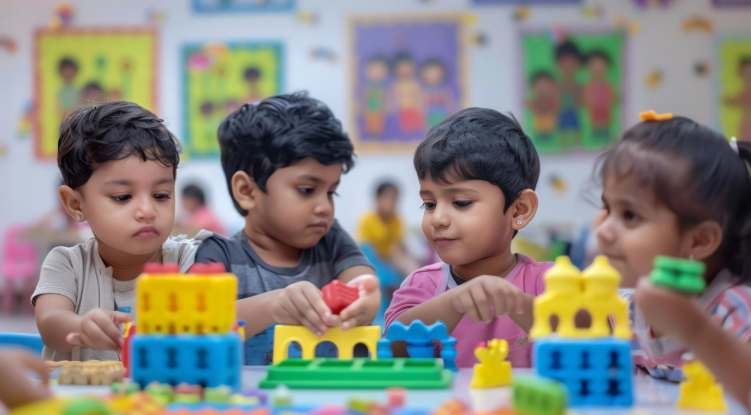
Choosing a daycare is not just about finding a place where your child stays during the day. You are trusting someone else with your child’s comfort, safety, and early learning experiences. That decision naturally comes with questions and concerns.
Every parent wants a space where their child feels cared for, protected, and happy. In this blog, we will take a look at what makes a daycare truly safe and nurturing, along with the signs that help you make a confident choice.
What to Look for in a Safe and Nurturing Daycare Environment
Here’s what you should look for when evaluating a daycare environment for your child.
1. A Safe and Secure Physical Environment
The physical setup of a daycare tells you a lot before you even speak to the staff. A clean, organised, and child-friendly environment creates a strong first impression.
Look for spaces that are hygienic and regularly maintained. Floors should be clean, furniture should be stable, and play areas should feel safe for young children.
Childproofing matters just as much. Sharp corners, open sockets, unsafe furniture, or easy access to hazardous items should not be present. Gates, locks, and safety barriers help prevent accidents.
Emergency readiness is another area you should not ignore. Ask whether the center has first-aid kits, fire safety systems, and emergency evacuation procedures.
Secure entry and exit systems also matter. Daycare centers should allow access only to authorised adults. At KLAY Daycare Center, safety protocols are designed to create a secure and child-friendly space where children can explore comfortably while parents feel reassured.
2. Qualified and Caring Staff
Children spend a large part of their day with caregivers, which makes staff quality one of the biggest deciding factors.
Look for trained professionals with early childhood education backgrounds. Caregivers who understand child development are usually better equipped to handle emotional, social, and learning needs.
It also helps to ask about staff certifications, training programs, and background checks. A good daycare is transparent about who cares for children.
Beyond qualifications, observe how staff interact with kids. Are they patient? Do they respond warmly? Do children seem comfortable around them? These small details often reveal more than brochures or websites.
3. Appropriate Adult-to-Child Ratio
A daycare may have beautiful facilities, but supervision matters just as much.
When there are too many children assigned to one caregiver, it becomes difficult to provide individual attention. Lower adult-to-child ratios usually mean better care and stronger supervision.
Infants generally require more attention than older children. Toddlers also benefit from closer monitoring because of their active nature.
Ask about the ratio for each age group. This helps you understand how much personal care your child is likely to receive during the day.
4. Strong Health, Hygiene, and Safety Policies
Young children are naturally curious, which means hygiene standards need to stay consistent.
Check whether toys, classrooms, and common spaces are cleaned regularly. Shared surfaces should be sanitised frequently to reduce the spread of germs.
Ask how the daycare handles illness. Do they have clear rules for children who are unwell? Is medication administered only with parental approval?
Food safety is another important factor. Meals and snacks should be prepared and stored properly, especially for younger children with dietary needs.
A daycare with clear hygiene routines often reflects a well-managed environment overall.
5. Emotional Safety and a Nurturing Environment
Physical safety is important, but emotional safety matters just as much.
Children should feel respected, heard, and supported throughout the day. A nurturing daycare creates an atmosphere where children feel comfortable expressing emotions without fear.
Positive reinforcement often works better than harsh discipline. Caregivers should encourage children rather than constantly correcting or scolding them.
Inclusive practices also matter. Every child should feel accepted regardless of personality, learning pace, or background.
6. Structured Yet Flexible Daily Routine
Children often feel more secure when they know what to expect.
A good daycare follows a balanced schedule that includes learning activities, meals, nap time, play, and quiet moments.
Predictable routines help children settle in faster and reduce anxiety, especially during the first few weeks.
At the same time, flexibility matters. Not every child follows the same rhythm. Caregivers should be able to adjust based on mood, energy levels, or developmental needs.
7. Safe and Engaging Learning Environment
A daycare should do more than supervise children. It should also support growth and curiosity.
Look for age-appropriate toys, books, puzzles, and sensory materials. Learning spaces should encourage exploration rather than simply keeping children occupied.
Different activity zones can make a big difference. Reading corners, art stations, pretend play areas, and sensory play sections help children learn through interaction.
A thoughtfully designed environment keeps children engaged while supporting early development.
8. Transparent Policies and Parent Communication
Strong communication between daycare staff and parents creates trust.
You should feel informed about your child’s routine, meals, activities, and mood throughout the day.
Many daycare centres provide regular updates through apps, daily reports, or direct conversations during pickup.
Policies should also be clear. Parents should understand emergency procedures, discipline approaches, drop-off rules, and attendance guidelines.
When communication is open, parents feel more confident about their child’s experience.
9. Licensing, Accreditation, and Compliance
A licensed daycare often follows specific childcare standards and local regulations.
Ask whether the daycare is officially registered and meets childcare requirements in your area.
Visible certifications, inspections, and safety audits can provide reassurance that the center follows recognised standards.
A reputable daycare will not hesitate to share this information when asked.
10. Outdoor and Play Area Safety
Outdoor play is an important part of early childhood development.
Play areas should be clean, secure, and supervised. Equipment should match the age group using it. Check whether surfaces are safe for falls and whether climbing structures, slides, or swings are maintained properly.
Safe outdoor environments encourage movement, social interaction, and confidence building.
Finding the right daycare takes time, observation, and trust in your instincts. A safe and nurturing environment goes beyond clean classrooms or attractive facilities. It comes down to how children are cared for every day.
When you visit a daycare, pay attention to how staff interact, how children respond, and whether the environment feels calm and welcoming.
The right daycare should give your child a place to learn, grow, and feel secure while giving you peace of mind as a parent.